Floral Teapot with Spring Flowers Review
As a designer who has spent years stitching through everything from delicate silks to heavy canvas, I know that the difference between a good product and a great one often comes down to the design itself. Today, I am putting Floral Teapot with Spring Flowers through its paces. This isn't just about looking at a pretty image; it is about understanding how this embroidery file will behave when it hits the hoop, how it translates to real-world fabrics, and whether it holds up as a viable asset for your craft business or personal projects.
The First Impression: A Cozy, Nostalgic Vibe
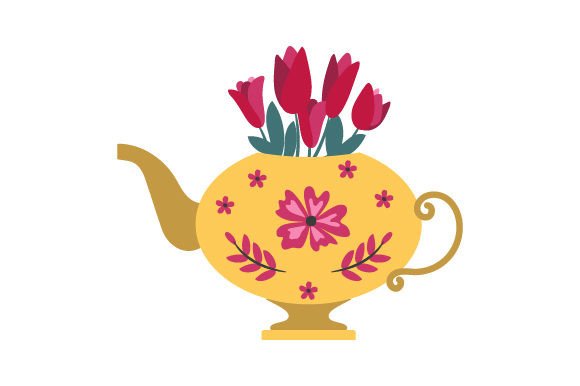
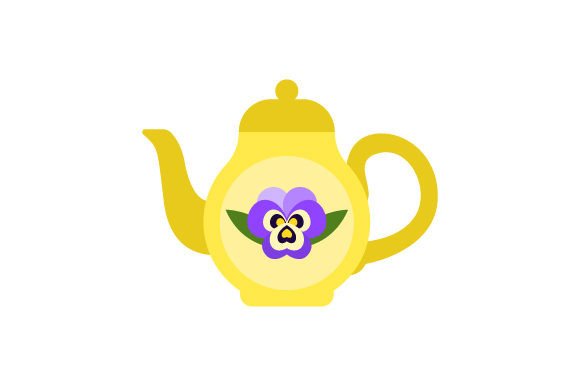
When you first open the folder for Floral Teapot with Spring Flowers, the mood is immediately established. It feels warm, inviting, and distinctly seasonal. The concept of a teapot overflowing with spring blooms is a classic motif in home decor, but the execution matters immensely. In my initial review, the layout strikes a balance between whimsical charm and structural integrity. It does not feel cluttered, which is a common pitfall in designs that try to pack too much detail into a small area.
The visual personality suggests a project meant for slow living. It evokes images of Sunday mornings, fresh linens, and quiet afternoons. For an embroidery designer, this translates to a design that fits naturally into the "Spring" category without feeling forced. It has the potential to be a centerpiece for a collection of kitchen textiles or a charming accent on apparel. The shapes are clean enough to stitch clearly, yet detailed enough to hold the viewer's attention once finished.
Real-World Application: From Hoop to Product
I decided to test this design by simulating a real client order. The scenario was straightforward: creating a custom line of tote bags and aprons for a local boutique owner who wanted to launch a spring-themed gift set. The goal was to see how Floral Teapot with Spring Flowers would perform on different materials and what kind of finished product value it could deliver.
On a sturdy cotton canvas tote bag, the design excelled. The contrast between the dark fabric and the lighter thread colors made the teapot shape pop instantly. The saturation of the floral elements felt rich, suggesting that the fill stitches were dense enough to cover the fabric completely without showing the weave underneath. This level of coverage is crucial for handmade products because it signals quality to the customer. When a buyer touches a tote bag and sees smooth, solid embroidery rather than gaps where the fabric peeks through, their perception of the item's value increases immediately.
I also ran a quick mockup on a baby onesie using a soft knit fabric. Here, the design needed to be handled with care. The running stitch details in the flower stems added a nice touch of delicacy that suited the softness of the garment. However, I had to adjust the tension slightly to prevent the fabric from puckering around the denser satin stitch areas of the teapot body. This confirms that while the design is versatile, it requires proper stabilizer usage to maintain its shape on stretchy materials.
Where to Use (and Where to Be Cautious)
Floral Teapot with Spring Flowers is a strong candidate for a wide range of items. It works beautifully as a tote bag design or a focal point on a sweatshirt embroidery project. The spring theme makes it perfect for holiday gifts, Easter baskets, or Mother's Day presents. For digital product sellers, this design offers excellent potential for printable mockups, allowing shop owners to visualize the final result before production.
However, there are specific scenarios where caution is required. If you are working with very small hoop sizes, the fine details within the flowers might get lost or become difficult to stitch cleanly. Tiny lettering or intricate corners can sometimes suffer if the machine struggles with the density. Similarly, on textured fabrics like bouclé or heavy chenille, the design may not lay flat, reducing the crispness of the finish. Dark fabrics can also present a challenge if the thread color palette chosen does not offer enough contrast against the background material.
Curved surfaces, such as caps or hats, require careful digitizing consideration. While the rounded shape of the teapot follows the curve well, the floral elements need to be evaluated to ensure they do not distort excessively on the crown of a hat. For these applications, testing on scrap fabric is non-negotiable.
Impact on Brand and Customer Trust
In the world of Etsy seller businesses and small shop products, presentation is everything. A high-quality embroidery file directly influences customer trust. When a customer receives a personalized gift that features sharp, well-defined stitching, they associate that quality with the brand behind it. Floral Teapot with Spring Flowers contributes to a professional look that elevates the perceived worth of the item.
The design's cohesive theme helps with brand consistency. If you are building a line of kitchen towels and pillow covers, this design serves as a recognizable anchor. It tells a story of comfort and nature, which resonates deeply with buyers looking for handmade goods. Furthermore, the versatility of the design allows for creative variations in thread colors, enabling you to create multiple versions of the same product for different seasons or color palettes without losing the core identity of the piece.
Practical Designer Notes for Success
Before you commit this design to a commercial run, there are several technical steps every experienced maker should take. First, always test the design on scrap fabric that matches the weight and texture of your final product. This simple step can save you hours of frustration and wasted materials.
Check your thread color contrast carefully. Even a beautiful design can look muddy if the thread choices clash with the fabric. Review the stitch density in the digitized file; if the fill areas are too dense, they may cause puckering, especially on lightweight fabrics. Confirm that your hoop size accommodates the design comfortably without cutting off any edges.
Inspect the small details closely. Are the petals distinct? Is the handle of the teapot clear? If you plan to use this for commercial embroidery, ensure you have reviewed the licensing terms to confirm you are allowed to sell finished items created with this digital embroidery file. Also, consider testing the design in black and white mockups to ensure the composition works even without color, as this reveals structural issues that color might hide.
Finally, make sure you are using the right stabilizer for your fabric type. A stable foundation is key to preventing distortion during the stitching process. Whether you are making a single personalized gift or mass-producing craft business inventory, taking these precautions ensures that Floral Teapot with Spring Flowers delivers the high-quality results you expect.
This design feels like a reliable addition to any library of design assets. It balances aesthetic appeal with practical stitchability, making it a smart choice for anyone looking to expand their offerings in the Spring or Crafts niches. With the right preparation and attention to detail, it can help transform simple fabrics into cherished keepsakes.