Vintage Cattail Line Art Logo Review
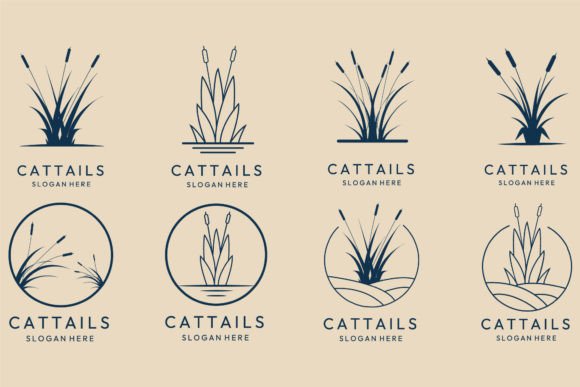
As a designer who spends more time than I care to admit zooming into stitch density charts and debating thread colorways, I approach every new machine embroidery design with a healthy dose of skepticism. The market is flooded with generic graphics that look fine on a screen but fall apart under the needle. Recently, I pulled up Set Cattail Vintage, Line Art Logo, Icon to see if it had the legs for real-world application. I wasn’t just looking at the aesthetic; I was stress-testing it for potential use in custom apparel, boutique branding, and handmade gifts.
The first thing that strikes you about this Graphics asset is its restraint. In an era where embroidery files often try to cram too much detail into a small footprint, this line art logo breathes. It carries a distinct vintage mood—rustic, organic, and quietly sophisticated. For designers tired of the same old floral or geometric patterns, this offers a fresh visual personality that feels grounded. It’s the kind of design that doesn’t scream for attention but earns it through subtlety and clean execution.
Real-World Application: From Screen to Stitch
I decided to put this design to work on a practical project: a batch of custom embroidered tote bags for a local artisan market. The goal was to create a versatile handmade product that could appeal to eco-conscious consumers and craft fair shoppers alike. The line art style of Set Cattail Vintage, Line Art Logo, Icon translates beautifully to fabric because it relies on negative space rather than dense fill stitches. This makes it ideal for large-scale placements on canvas totes, where a heavy block of thread might warp the material or feel too stiff.
However, the versatility doesn’t stop there. When I mentally mapped this out for smaller items, the potential became even clearer. Imagine this logo centered on a heavyweight cotton sweatshirt for a fall-themed collection. The vintage vibe pairs naturally with autumnal tones like burnt orange, olive green, or deep navy. It also works exceptionally well as a subtle chest logo on chambray shirts or as a decorative accent on kitchen towels and aprons. The simplicity allows it to function as both a primary focal point and a secondary brand mark without overwhelming the garment.
For those of us selling on platforms like Etsy or running a small shop, presentation is everything. This design lends itself perfectly to printable mockups. Because the lines are crisp and vector-based, it looks professional in digital previews, which helps build trust with buyers before they even touch the physical item. Whether you are creating a nursery decor piece, a holiday gift tag, or a wedding favor, the icon has a timeless quality that fits seamlessly into various thematic contexts.
Technical Considerations for Embroidery Designers
While the aesthetic is strong, any experienced embroiderer knows that beauty must be backed by technical viability. Here is how Set Cattail Vintage, Line Art Logo, Icon performs when we start thinking about the mechanics of stitching.
Hoop Size and Scale
This design shines in medium to large hoop sizes. The line art format benefits from the clean tension that comes with adequate fabric support. If you attempt to shrink this down to a tiny 4x4 inch area, you risk losing the integrity of the lines, especially if the machine struggles with precise satin edges on thin strokes. Always confirm your hoop size constraints early in the planning phase.
Thread Colors and Contrast
The success of a line art design hinges entirely on contrast. On light fabrics, dark threads will make the cattail shapes pop with clarity. On darker backgrounds, you’ll need a lighter thread or a backing layer to ensure the design remains legible. I recommend testing your thread colors against your actual fabric swatches, not just trusting the digital preview. The interplay between the thread sheen and the fabric texture can significantly alter the final look.
Stitch Density and Fabric Texture
Because this is primarily line art, the stitch density is likely lower than a full-color portrait. This is generally good news for most fabrics, as it reduces bulk. However, be cautious when working with stretchy knits or very thin materials. Even light stitching can cause puckering if the stabilizer isn’t chosen correctly. For woven fabrics like linen or canvas, this design should sit flat and smooth. For knitwear, a cut-away stabilizer is non-negotiable to maintain shape after washing.
Where to Use Caution
Not every surface is created equal. There are specific scenarios where this design might struggle:
- Curved Surfaces: Applying this to a cap or a curved hat brim requires careful hooping and possibly a flexible foam backing. The straight lines of the logo might distort if the fabric stretches unevenly during stitching.
- Detailed Corners: While the overall shape is simple, check the finer details in the vector file. If there are tiny isolated elements, they may require jump stitches that can snag or look messy on textured fabrics like terry cloth.
- Small Hoops: As mentioned, avoid shrinking this too far. Tiny lettering or intricate corners within the icon may become indistinguishable blobs of thread once stitched.
- Frequent Washing: If this is for a commercial item like a baby onesie or a work apron that will endure heavy laundering, ensure the design is anchored well. Lighter designs sometimes benefit from a light tack-down stitch to prevent movement during the initial phases of embroidery.
Workflow and File Management
The product description notes that the set includes EPS, SVG, PDF, and JPG files. For serious embroidery projects, the vector files are your best friends. Opening the EPS file in Adobe Illustrator allows you to manipulate the paths, adjust weights, and ensure everything is editable before converting it to an embroidery format. This flexibility is crucial for customizing the design for different clients or products.
Remember that while the graphic elements are editable, any text included in the design is non-editable. If you plan to add custom names or dates, you will need to handle that separately in your digitizing software. Also, always inspect the small details and test the design in black and white mockups to check for balance. A design that looks balanced in color might feel top-heavy in monochrome.
Final Verdict
Set Cattail Vintage, Line Art Logo, Icon is a solid addition to any designer’s library of design assets. It avoids the trap of being overly trendy, opting instead for a classic, rustic charm that appeals to a wide audience. It is particularly well-suited for custom apparel, tote bag design, and personalized gifts where a touch of nature-inspired elegance is desired.
For Etsy sellers and small business owners, this design offers high perceived value with relatively low production complexity. It doesn’t require exotic threads or advanced techniques to look professional, making it accessible for hobbyists while still satisfying the standards of boutique brands. Just remember to respect the limits of your machine and fabric. Test on scraps, choose your stabilizer wisely, and verify licensing terms if you intend to sell finished goods. When executed correctly, this logo becomes more than just a decoration; it becomes a signature element of your craft business.