Wedding Invitation Card Design for Print Graphics
As a digital product creator who has spent years refining listings on Etsy and Creative Fabrica, I approach every new asset with a mix of excitement and skepticism. When I first downloaded Wedding Invitation Card Design for Print, my immediate reaction was not just about aesthetics, but about utility. In the crowded world of wedding stationery, standing out requires more than just a pretty image; it requires a design that is adaptable, professional, and easy for the end-user to manipulate. This graphic design asset immediately signaled that it was built for commercial viability rather than just decorative display.
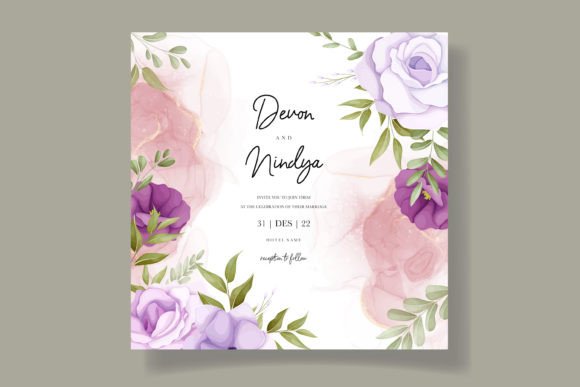
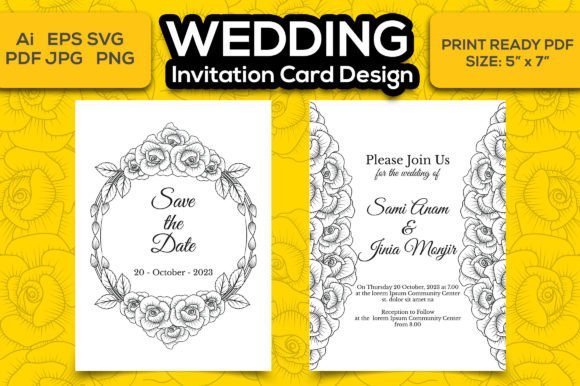
The visual personality of this piece is distinctly elegant yet accessible. It features beautiful floral and leaves in line art illustration, which gives it a modern, airy feel that appeals to today’s bride or groom looking for something less traditional and more organic. The mood is romantic but restrained, avoiding the cluttered look that often plagues budget-friendly templates. For sellers targeting the premium segment of the market, this kind of refined aesthetic builds instant trust. It feels like a high-end boutique item, which allows us to price our final products with confidence. However, its clean lines also make it versatile enough for rustic or minimalist themes, broadening our potential customer base significantly.
From Asset to Income: Real-World Product Applications
One of the most common mistakes I see new sellers make is limiting their vision to the obvious use case. While the title suggests invitations, treating this asset as solely an invitation template would be leaving money on the table. Because the layering is carefully organized, this design can be deconstructed and repurposed across multiple product categories. Here is how I tested this asset across different revenue streams:
- Printable Wedding Suites: Beyond the main invitation, I used the floral elements to create matching RSVP cards, menu designs, and place cards. The consistency in the line art style creates a cohesive brand identity for the couple, which increases perceived value.
- SVG Design for Cricut Projects: For crafters who prefer physical crafting over printing, the vector nature of the layers makes this perfect for vinyl cutting. I exported specific floral clusters as SVG files to sell as standalone decals for mugs, laptop skins, or wooden signs. These are low-content items with high profit margins.
- PNG Design for Sublimation: By isolating the main floral wreath, I created sublimation designs suitable for t-shirts, tote bags, and tumblers. The line art style translates beautifully to fabric, offering a trendy "boho" look that sells well during wedding season.
- Digital Download Stickers: The individual leaf and flower components were resized and turned into sticker sheets for planners and scrapbooking kits. Since the original resolution is high, these tiny details remain crisp even when scaled down, ensuring quality for the end user.
- Canva Template Integration: Many small business owners and DIY brides prefer editable templates. I integrated the core elements into a Canva template structure, allowing users to change text and colors while keeping the elegant layout intact. This expands the reach to non-designers who want a professional result without hiring someone.
Visual Presentation and Market Appeal
In the digital marketplace, your thumbnail is everything. A Wedding Invitation Card Design for Print needs to pop in a grid of hundreds of other listings. The strong contrast of the black line art against white space works exceptionally well for thumbnail appeal. It is legible even at small sizes, which is crucial for click-through potential on mobile devices.
I focused heavily on product mockups to demonstrate versatility. Instead of just showing the flat file, I placed the design on textured paper stock, added gold foil accents digitally, and displayed it alongside real flowers. This visual storytelling helps customers imagine the final product in their own hands. For Etsy product listings, using lifestyle images that show the invitation being held or laid out on a table increases conversion rates because it provides context. The design’s elegance supports a narrative of celebration and care, which resonates deeply with buyers investing in their special day.
Furthermore, this asset aids in small business branding. If you are building a niche store focused on wedding resources, having a consistent visual language across your pins, social media graphics, and product pages is vital. Using this same illustration style for your blog headers or promotional visuals reinforces your brand identity as a specialist in elegant, hand-drawn aesthetics.
Strategic Use Cases and Bundling
To maximize ROI, I recommend creating design bundles. Rather than selling the invitation alone, offer a "Complete Wedding Stationery Kit" that includes the invitation, save-the-date, thank you notes, and guest book cover, all utilizing the same floral motif. Bundles increase average order value and reduce shipping costs if you ever move to physical goods. Additionally, pairing this with complementary fonts—such as a delicate script font for names and a clean sans serif font for details—adds another layer of value. You can sell these font pairings as part of the package, making it easier for customers to achieve a polished look.
Critical Evaluation: Where to Exercise Caution
No asset is perfect, and understanding the limitations is key to avoiding negative reviews. While Wedding Invitation Card Design for Print is highly versatile, there are specific scenarios where it should be used carefully:
- Tiny Sticker Details: If you plan to cut extremely small elements (under 0.5 inches) for intricate vinyl projects, test the cut lines thoroughly. Complex intersections in line art can sometimes cause weeding issues for beginners.
- Low-Resolution Print Products: Always verify file resolution before listing. For large format prints like banners or backdrop walls, ensure the PNG or vector source is high enough quality to avoid pixelation. Never upscale a small raster image.
- Crowded Thumbnails: On dark backgrounds or busy mockups, the thin lines might get lost. Ensure you maintain weak contrast by testing the design on various background colors. White backgrounds usually work best to preserve the integrity of the line art.
- Text-Heavy Templates: While the graphics are robust, remember that this is primarily a graphic element. If you are creating a text-heavy flyer, ensure the typography does not compete with the floral illustrations. Visual hierarchy is essential; let the design breathe.
Practical Seller Notes for Launch Success
Before publishing any listing, I follow a strict checklist to ensure professionalism. First, inspect the SVG cut quality if you are selling vectors. Check for unnecessary anchor points that could slow down cutting software. Second, confirm commercial licensing. Even though this is a commercial design intended for resale, always read the fine print regarding how many end-products you can create or if attribution is required.
Organization is another critical factor. When delivering files to customers, group them logically. Separate the invitation layout from the individual clipart elements. Provide clear instructions on how to edit the layers in Photoshop or Illustrator. This reduces customer support tickets and improves user experience. Also, consider the file formats. Offering both AI/EPS for professionals and JPG/PNG for casual users covers a wider audience.
Finally, think about seasonal timing. Weddings peak in spring and summer, but the demand for winter weddings is growing. Adjust the color palette suggestions in your listings to reflect seasons—perhaps suggesting navy blues and silvers for winter, or blush pinks and greens for spring. This adaptability makes the asset year-round profitable.
In conclusion, Wedding Invitation Card Design for Print is a solid addition to any digital download shop. Its elegant line art, organized layers, and versatile application make it a practical tool for creators looking to expand their offerings in the wedding niche. By testing it across various formats—from print-on-demand merchandise to editable Canva templates—you can uncover multiple revenue streams from a single purchase. Just remember to prioritize quality control, proper licensing, and strategic presentation to turn this beautiful illustration into a sustainable income source.