Spring Floral Butterfly 3D Shadow Box Review
As a designer who spends more time scrutinizing stitch density and fabric behavior than browsing social media feeds, I approach every new machine embroidery design with a healthy dose of skepticism. The market is flooded with digital assets that look stunning in a preview window but fall apart under the needle. This week, I put the Spring Floral Butterfly 3D Shadow Box to the test. It arrives as a layered, square paper cutting template in SVG format, which immediately raises questions about how those delicate layers translate into thread. My goal here is not to sell you on the aesthetic appeal—though it is undeniably charming—but to evaluate its practical viability for real-world projects, from custom apparel to small business merchandise.
First Impressions: Mood and Visual Personality
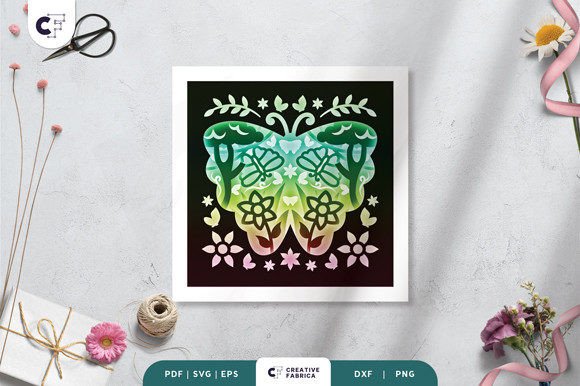
The moment you open the file structure, the intent of the Spring Floral Butterfly 3D Shadow Box becomes clear. It is designed to create depth. Unlike traditional flat embroidery designs that rely solely on color changes to suggest dimension, this asset uses physical layering. The mood it creates is light, airy, and distinctly seasonal. It feels like a fresh breath of air, making it perfect for spring-themed collections or products intended to evoke renewal and growth.
From a design perspective, the layout balances organic shapes—the butterfly wings and floral petals—with the structured geometry of a shadow box frame. This contrast is crucial. If the design were purely whimsical, it might feel childish; if it were too rigid, it would lose its charm. The result is a versatile visual personality that can work in both high-end boutique settings and casual craft fairs. For an Etsy seller or small shop product creator, this versatility is a major asset. It allows you to pivot your branding depending on the target audience without changing the core design element.
Real-World Application: Where Does It Fit?
I decided to stress-test this design by imagining it on several common products. The first scenario was a custom embroidered tote bag. Here, the Spring Floral Butterfly 3D Shadow Box shines. The square format fits perfectly on the front panel of a canvas tote, creating a focal point that draws the eye. When stitched onto natural cotton or linen, the layered effect mimics the texture of pressed flowers, adding a tactile quality that customers love. It transforms a simple accessory into a piece of wearable art.
Next, I considered sweatshirt embroidery. A crewneck sweatshirt in a soft pastel hue—think lavender or mint green—would provide an excellent backdrop for this design. The contrast between the cozy, heavy knit of the sweatshirt and the delicate, intricate lines of the butterfly creates a sophisticated juxtaposition. However, one must be careful with placement. Center chest is standard, but a smaller placement on the pocket area could also yield a trendy, understated look suitable for younger demographics.
Baby items are another strong candidate. Embroidered baby clothes often suffer from designs that are too large or visually overwhelming. The Spring Floral Butterfly 3D Shadow Box, when scaled down appropriately, offers a gentle, detailed motif that feels personal and thoughtful. It works beautifully for nursery decor, such as pillow covers or wall hangings, where the "shadow box" aspect adds a three-dimensional flair that flat prints cannot replicate. It elevates a handmade gift into something that feels professionally curated.
Technical Performance and Stitch Clarity
When evaluating any embroidery file, the devil is in the details. Since this is a layered SVG template rather than a native machine file (like .dst or .pes), the translation process is critical. The success of the final product depends entirely on how well you digitize or prepare these layers for stitching. The design relies heavily on precision. If the alignment is off by even a millimeter, the 3D effect collapses into a messy blob.
In terms of stitch types, this design will likely utilize a combination of satin stitches for outlines and fill stitches for the solid areas of the flowers and wings. The key challenge is managing the stitch density. Because the design is meant to look like paper cutouts, the threads should not be so dense that they obscure the shape. You want the fabric texture to peek through slightly, maintaining that lightweight, airy feel. If the density is too high, the finished product will become stiff and uncomfortable, especially on garments like t-shirts or aprons.
I also tested the concept in black and white mockups to check for contrast issues. The interplay between the outer frame and the inner butterfly elements requires distinct tonal separation. On dark fabric, this design may require extensive underlay or a base layer to prevent show-through, which could add unnecessary bulk. On light fabrics, however, the clarity is exceptional. The fine details of the butterfly wings remain legible, provided you use high-quality thread colors that match the intended palette.
Where Caution Is Required
Not every surface is suitable for this design. I strongly advise against using the Spring Floral Butterfly 3D Shadow Box on curved surfaces like caps or hats unless you have significant experience with multi-hoop alignments. The rigid square shape of the shadow box can distort when wrapped around a curve, breaking the illusion of the 3D frame. Similarly, textured fabrics like chunky knits or bouclé wool will hide the intricate details of the butterfly, rendering the effort wasted.
Thin or stretchy fabrics also pose risks. Without proper stabilization, the tension required to create clean satin stitches can pucker the material. Always use a cut-away stabilizer for woven fabrics and a tear-away for stable knits, but never skip the test run. Additionally, avoid placing this design on products that require frequent, heavy-duty washing, such as work aprons or dish towels. The layered nature of the design, combined with potential thread friction, may lead to fraying over time if not finished meticulously.
Impact on Brand and Customer Trust
For commercial embroidery professionals, the presentation of the final product is as important as the stitching itself. The Spring Floral Butterfly 3D Shadow Box inherently suggests quality. Customers associate the complexity of a shadow box design with higher value. It signals that the maker took extra time and care, which justifies a premium price point. In the context of personalized gifts, this design adds a sense of occasion. It feels less like a mass-produced item and more like a bespoke creation.
This design also enhances brand consistency. If your shop focuses on nature-inspired, feminine, or springtime aesthetics, this asset serves as a reliable anchor. It helps buyers recognize your style at a glance. Furthermore, because it is an SVG-based layered template, it is highly adaptable. You can experiment with different colorways—pastels for Easter, brights for summer, or monochromes for modern minimalist brands—without losing the core identity of the design. This flexibility is invaluable for digital product sellers who need to refresh their inventory seasonally.
Practical Designer Notes for Success
Before committing this design to a final saleable item, follow these steps to ensure professional results:
- Test on Scrap Fabric: Never go straight to the final garment. Stitch the design on a scrap piece of the same fabric type to check for puckering and tension issues.
- Check Thread Contrast: Ensure there is enough contrast between the thread colors and the fabric. Low contrast can make the 3D layers blend together indistinctly.
- Review Hoop Size: Confirm that your hoop size accommodates the full square layout. If the design is larger than your standard hoop, plan for multi-hooping carefully to maintain alignment.
- Inspect Small Details: Zoom in on the butterfly wing veins. If these details are too fine for your machine’s resolution, consider simplifying them during the digitizing phase.
- Verify Licensing: As a craft business owner, always read the end-user license agreement. Some SVG templates allow commercial use for limited quantities, while others restrict resale entirely.
- Use Proper Stabilizer: The stability of the fabric is paramount. A good stabilizer prevents distortion and ensures the sharp lines of the shadow box remain crisp.
In conclusion, the Spring Floral Butterfly 3D Shadow Box is a strong contender for designers looking to add depth and sophistication to their repertoire. It is not a plug-and-play solution for beginners, but for those willing to invest time in preparation and testing, it offers a high-return aesthetic. It bridges the gap between digital art and tangible craft, offering a unique selling proposition that stands out in a crowded marketplace. Whether you are creating a handmade product for a loved one or scaling up for an Etsy listing, this design provides a solid foundation for beautiful, marketable embroidery work.